

Dirt & Sand In Water
Water Treatment to Remove Sand
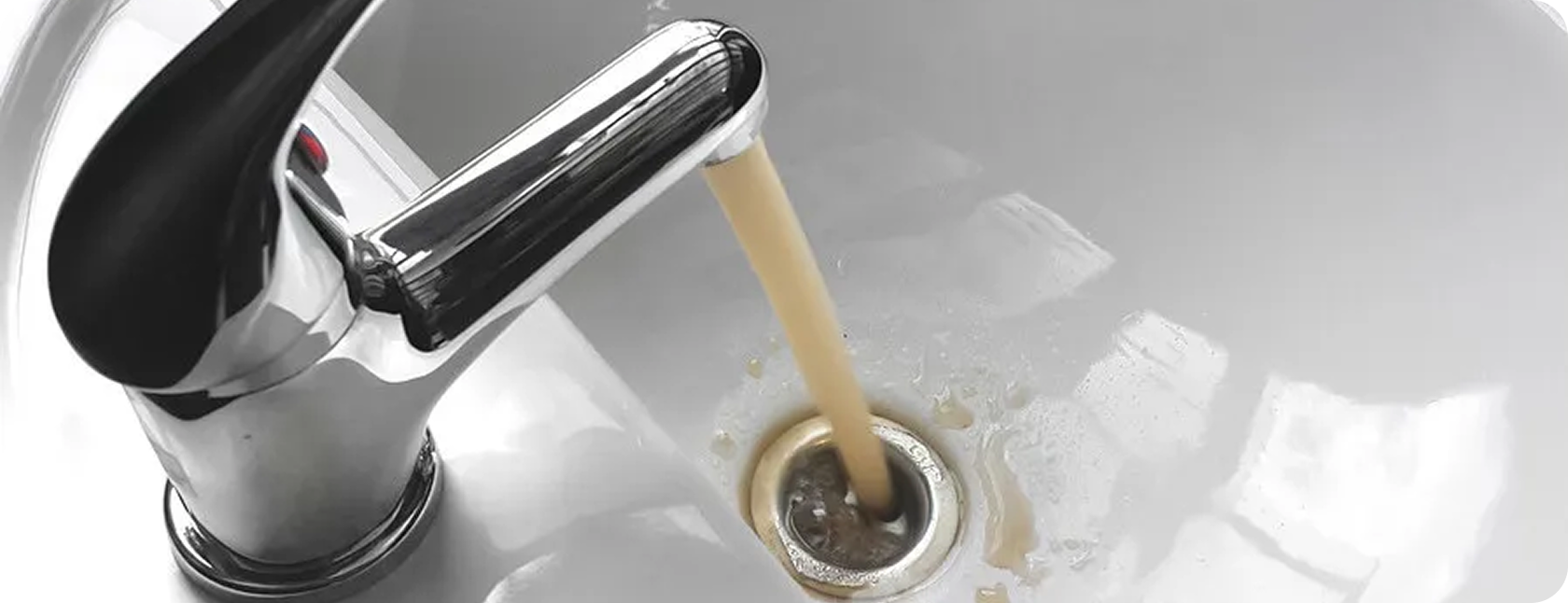
Sandy water not only tastes terrible, but it damages plumbing and appliances!
Dirt and Sand in
Well Water
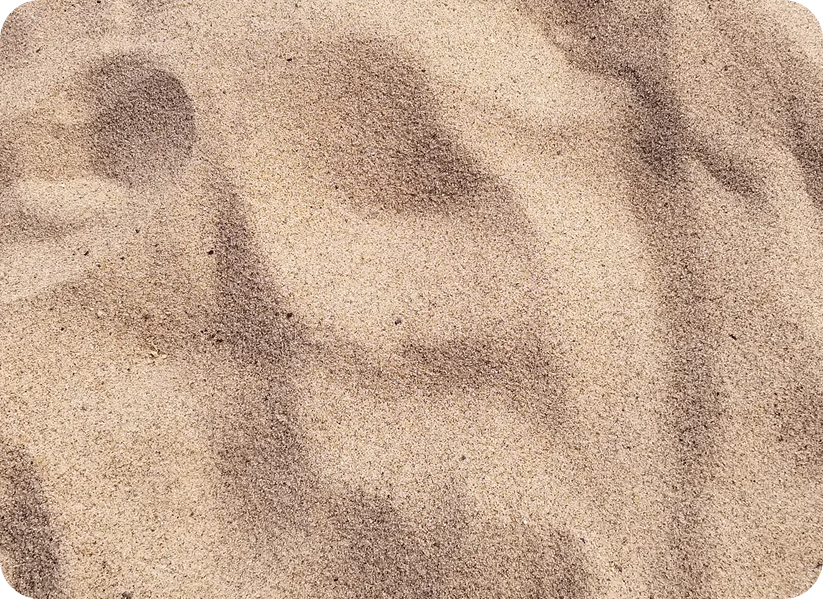
One of the first issues with sand is properly identifying it as sand. Sand is silicon-dioxide. It is the same sand one will find on most beaches by the ocean. Dirt, soil or even suspended iron particles are often confused with sand or categorized improperly as sand.
Water Treatment Solutions
We have methods to gain an insight as to how much sand may be coming into your home. Corresponding water products can then be put in place to stop sand before it enters your home and causes damage and discomfort.
Sand in Your Home's Water
Sand is an extremely heavy and abrasive material and it can damage the home’s plumbing. It settles in the reservoir tanks of the toilets, in the hot water heater, and in automatic washing machines. Toilets, tubs and other porcelain surfaces are most susceptible to nicks, scratches and physical surface damage. Clothes and fabrics that are being laundered in water serve as filters or “sand catchers.” Fabrics endure more wear and take on sand content within the fibers adding weight and stiffness. Showering with sand content can be irritating to one’s skin and cause issues while shaving.
Dirt in Your Water System
Almost any well will have some form of dirt in the water. Just look in the back of the toilet tank and it is not uncommon to see evidence of dirt debris. Like all suspended solids, this material is a candidate for filtration. The problem of suspended dirt (dirt that does not settle) is that it creates a water condition that is known as turbidity. Turbid waters will have so much material suspended in the water that it actually can make the water cloudy or opaque. The water will appear cloudy and stay cloudy even after it has been allowed to settle in a glass or container for a considerable amount of time. New wells often will have this form of dirt or suspended materials but after running the water to “clear it” the turbid aspect of the water goes away. Lake sourced water is also frequently turbid.
When do I need Water Treatment?
Well water is considered problematic when the water is constantly and relentlessly turbid. Wells that are turbid will also pulsate to a degree or turn clear and then return to the turbid state. Water in this condition is unusable in any meaningful way for domestic use. The particles of mud have become so small that they form an ionic bond to the water molecule itself and thus the dirt will never clear without well water treatment. There comes a point when there is no hope that the water will clear on its own and it is time to turn towards a permanent solution.
More information on these aspects of stinky water will be available during our recommended test.
Want to learn more about how we fix water odor problems?
Review our product information.
Get Started With Us!
First things first. To deteremine which solution will work best for your needs, we want to schedule an appointment to come out and test your water. Please fill out your details, and we will contact you shortly!